








Precise electrochemical metal machining (short PECM) is a cold, contact-free removal process with a vibrating electrode and controlled working gap, which enables the material to be dissolved in a targeted and controlled manner. This technology can be used to produce parts that require the highest precision and efficiency.
A pulsed direct current, which flows to the workpiece via the electrolyte, is applied between the electrode and the workpiece to be processed. The workpiece is anodically dissolved according to the geometry of the following electrode. The dissolved metal components are rinsed away by the flowing electrolyte.
This technology therefore enables the precise shaping of almost all metallic materials, regardless of their hardness.

WTN – YOUR COMPETENT PARTNER FOR PECM
As a full-service supplier, we take PECM technology into consideration as early as the design stage of your tools to give you the greatest benefit. Due to our high vertical range of manufacture, all necessary blanks, devices and, above all, electrodes can be produced in our own tool shop.
The various possibilities of our quality assurance also ensure that your tools are tested with the optimum measuring method. Benefit from the many advantages of this technology and our know-how! The WTN experts are available to answer your questions at any time and will be happy to advise you in detail.
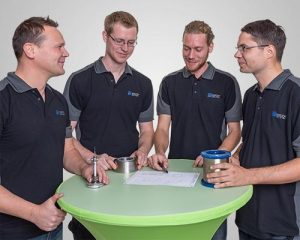
"Proven and new technologies are dynamically combined in a team- simply WTN!”
Advantages
Da es sich um ein kaltes, berührungsloses Bearbeitungsverfahren ohne Wärmeeintrag handelt, bietet diese Technologie viele Vorteile gegenüber konventionellen Metallbearbeitungsverfahren.